

RESPONSIBLE DESIGN : Texilia Re-Double and Re-Sun
RESPONSIBLE DESIGN
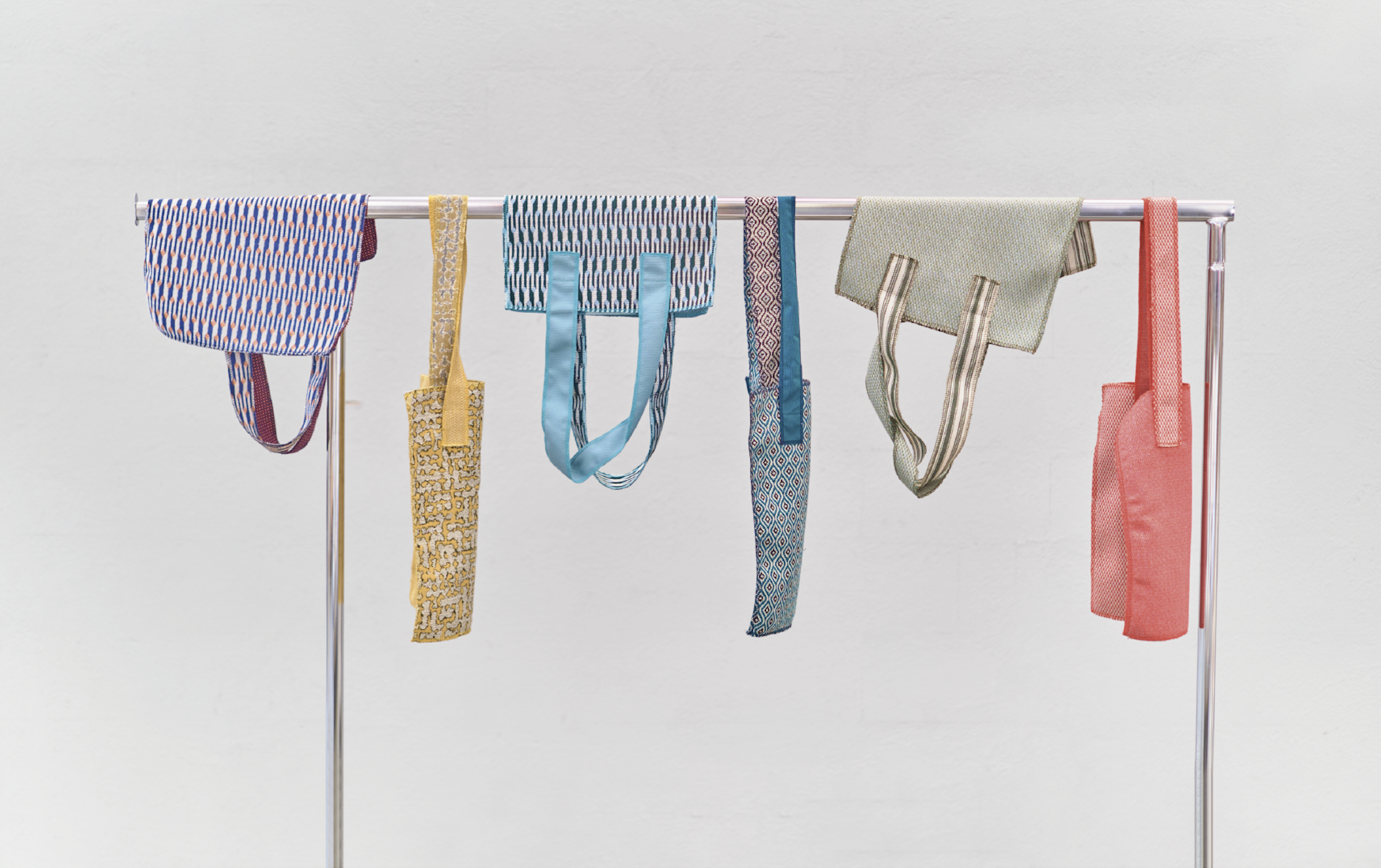
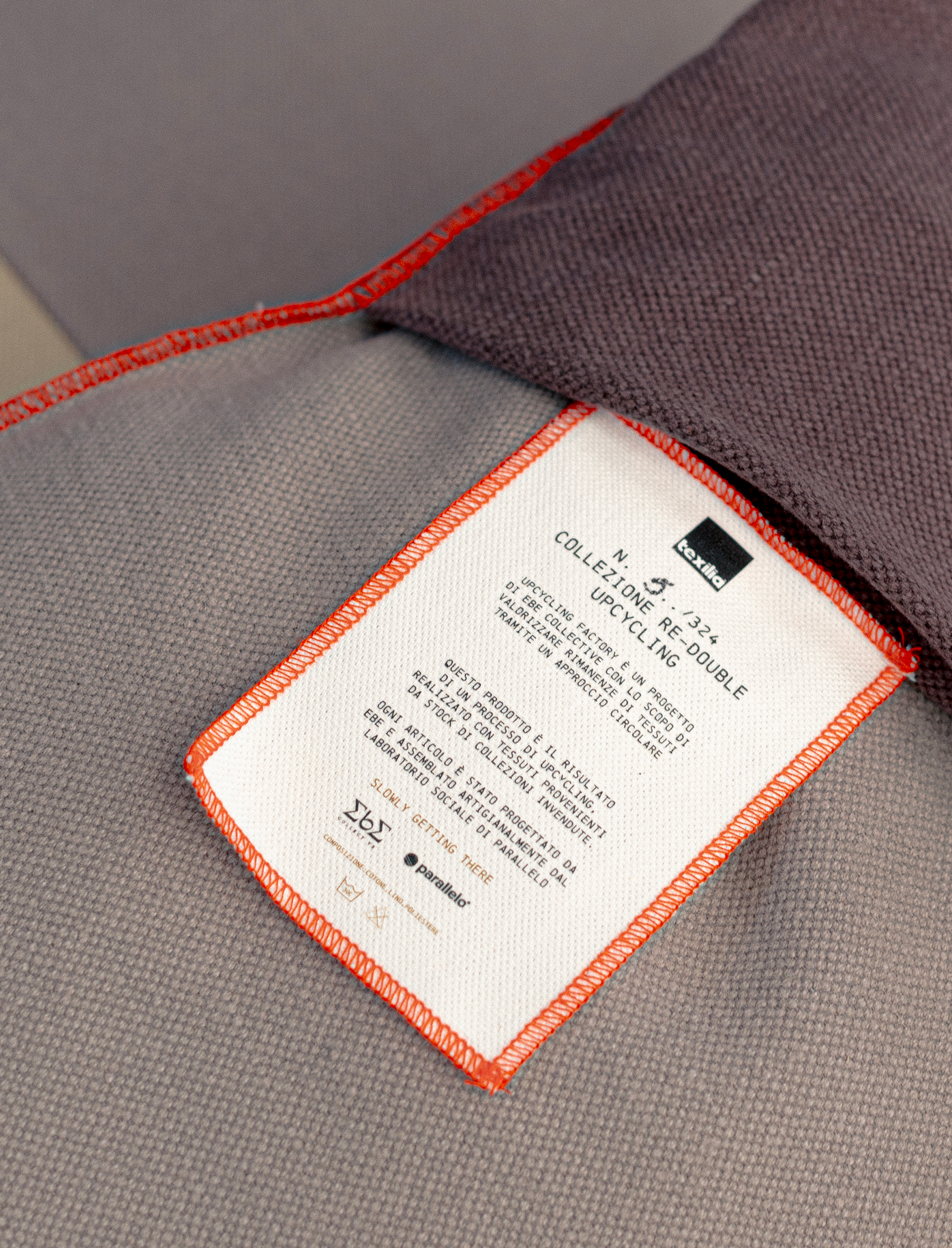
Texilia, a long-established textile company based in Milan, specialises in curtain manufacturing and high-quality fabric supply. Since 2024, in collaboration with EBE Collective, Texilia has developed circular design projects that give new value to textile remnants, warehouse surpluses, and unsold stock.
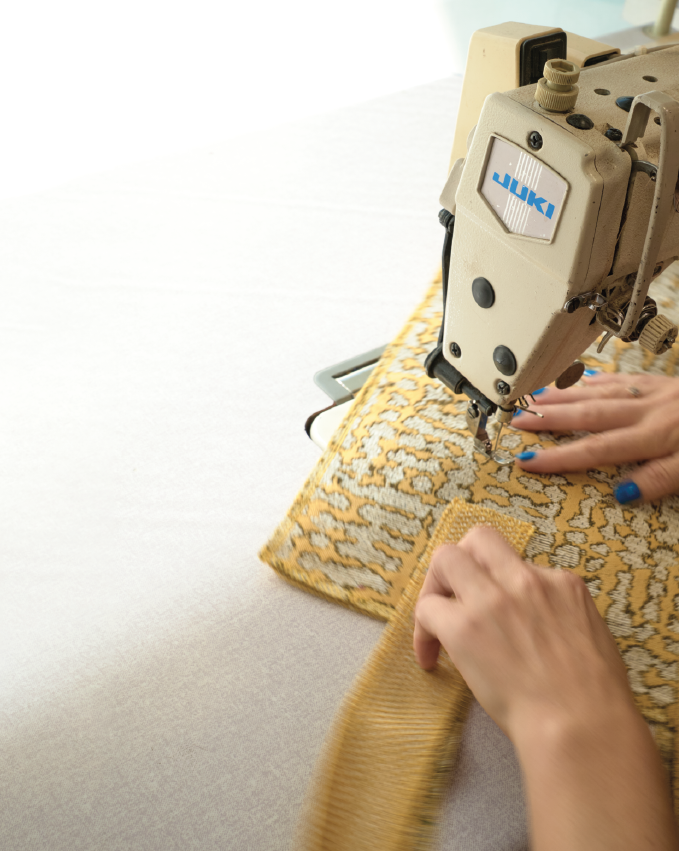
Through the RE-DOUBLE and RE-SUNjacq collections, leftover materials are transformed into contemporary home accessories and functional objects, combining thoughtful design, material optimisation, and a strong commitment to reducing textile waste. Production is carried out in partnership with local social cooperatives, supporting an inclusive, circular, and socially responsible model.
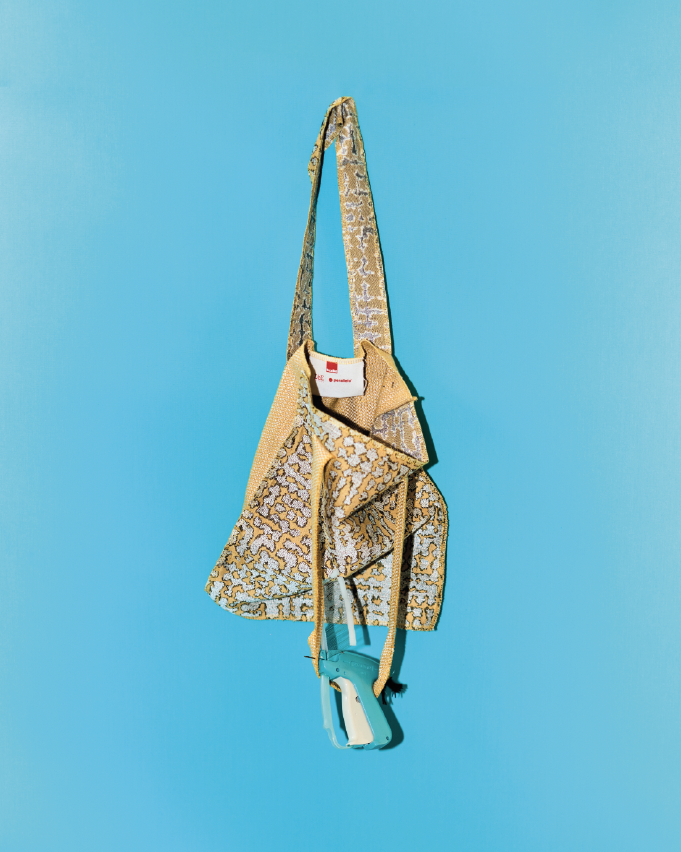
RE-DOUBLE and RE-SUNJAQUE, two collections born from a circular design approach, starting from the enhancement of textile remnants and leftover fabrics. The design embraces a contemporary and minimal aesthetic, harmoniously combining functionality and visual balance. One of the key creative tools used in the process is the golden ratio, which guided the design of cushions and throws, creating harmonious proportions and refined composition.
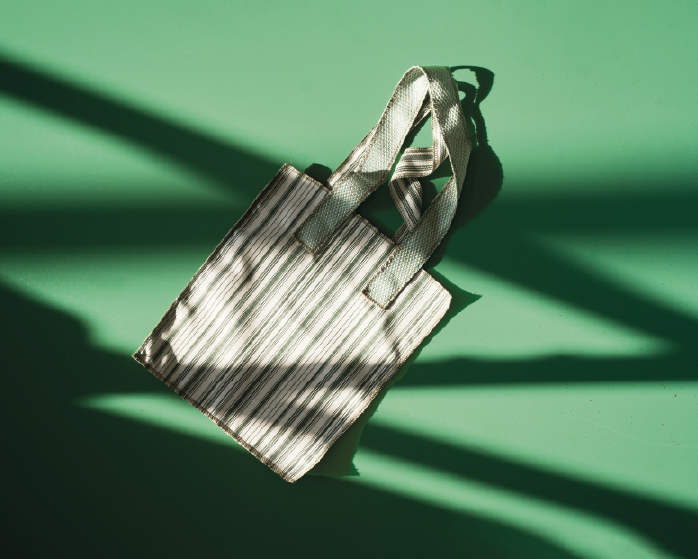
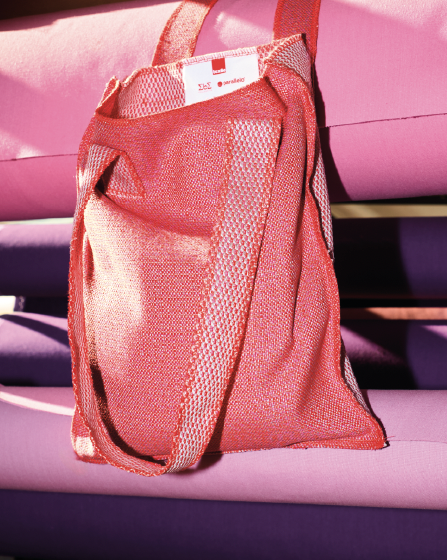
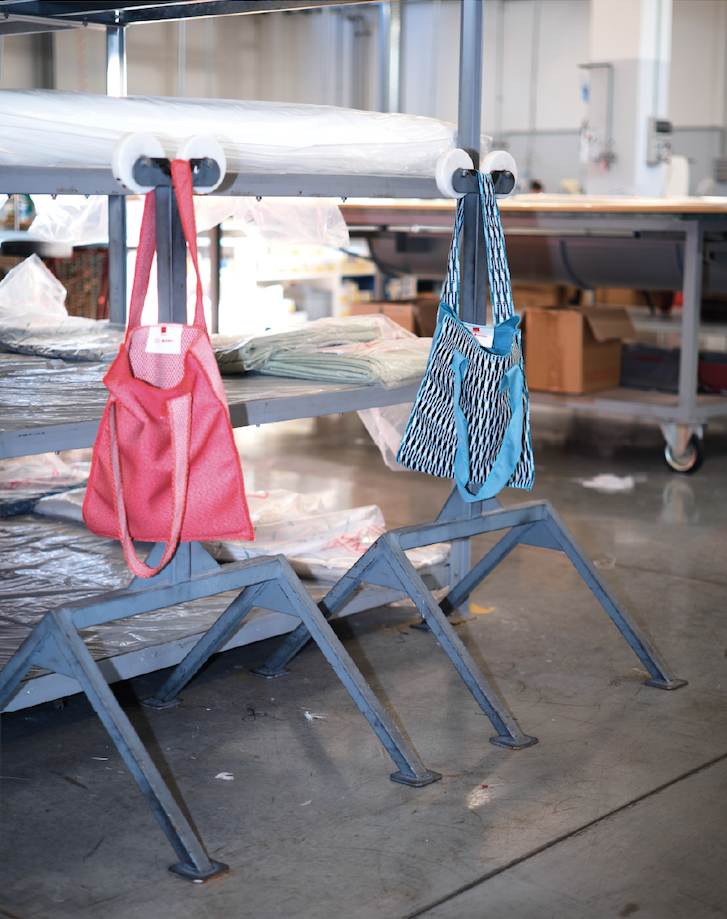
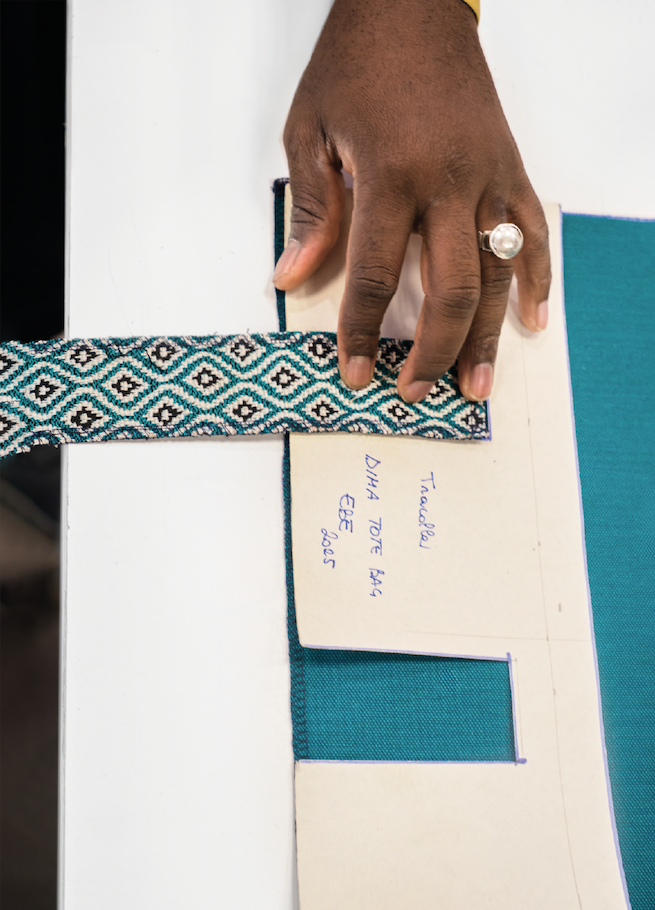
Through the use of patchwork, the collection highlights flat colortones and natural dyes, complemented by bold accents such as deep red, orange, and violet, which enliven the neutral palette with vibrant contrasts. The color palette is carefully composed of three monochromatic shades with the same level of chroma, ensuring a cohesive and balanced harmony across the collection.
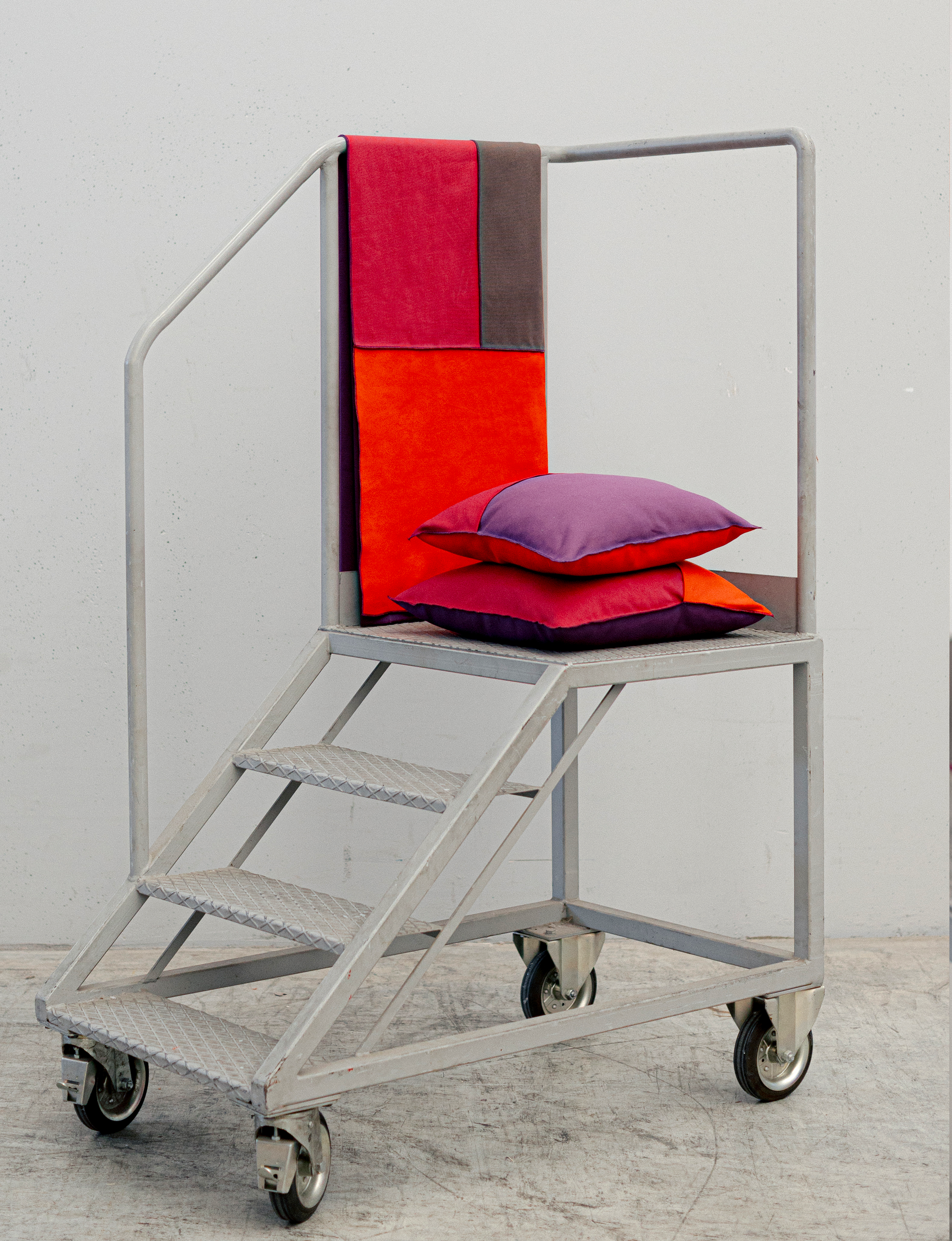
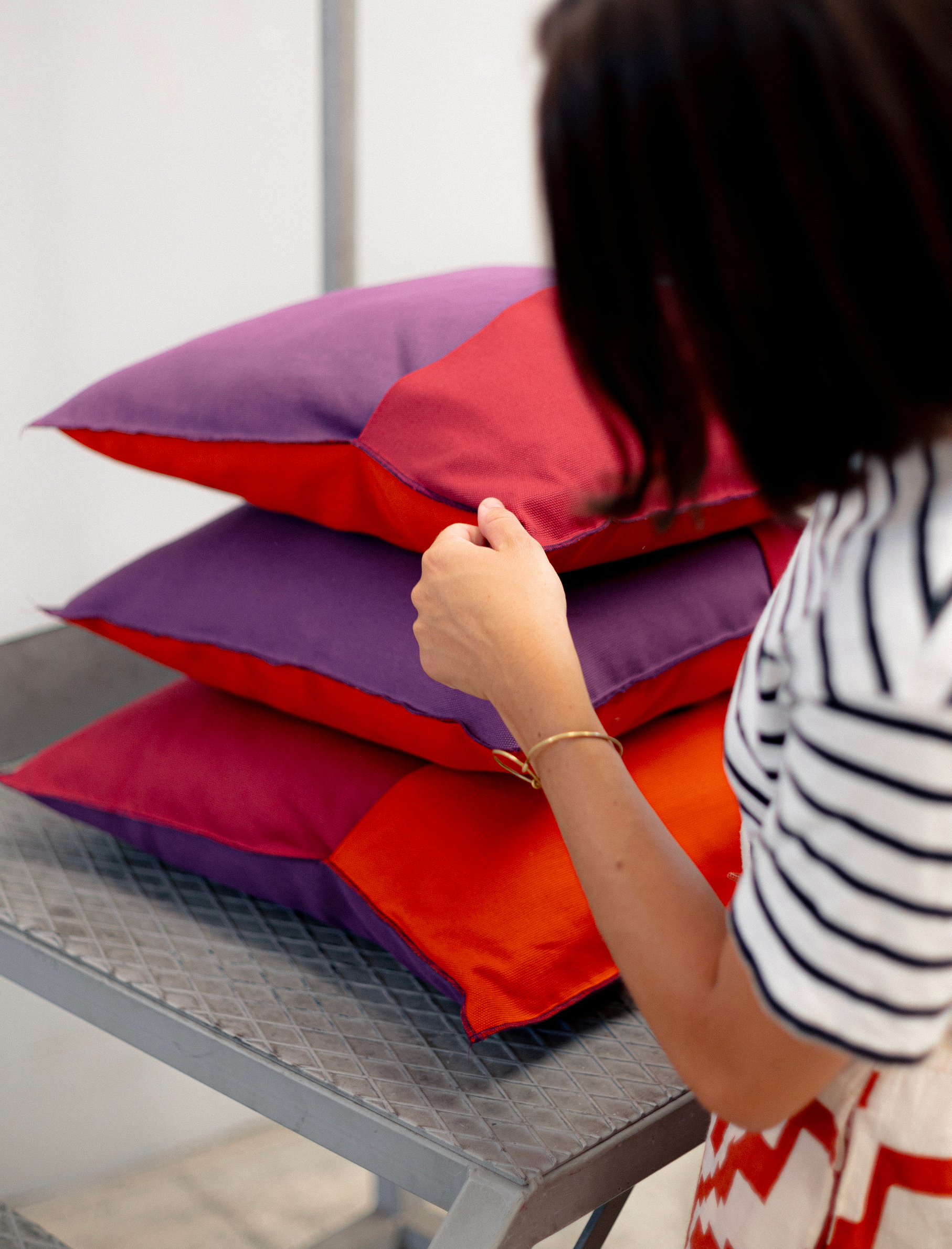
The collections are born from the desire to valorise textile remnants, rolls, and unsold products, giving them a new life through the creation of upcycled items. The tote bags, cushions and plaid are designed following a circular design approach, focused on optimising textile waste.
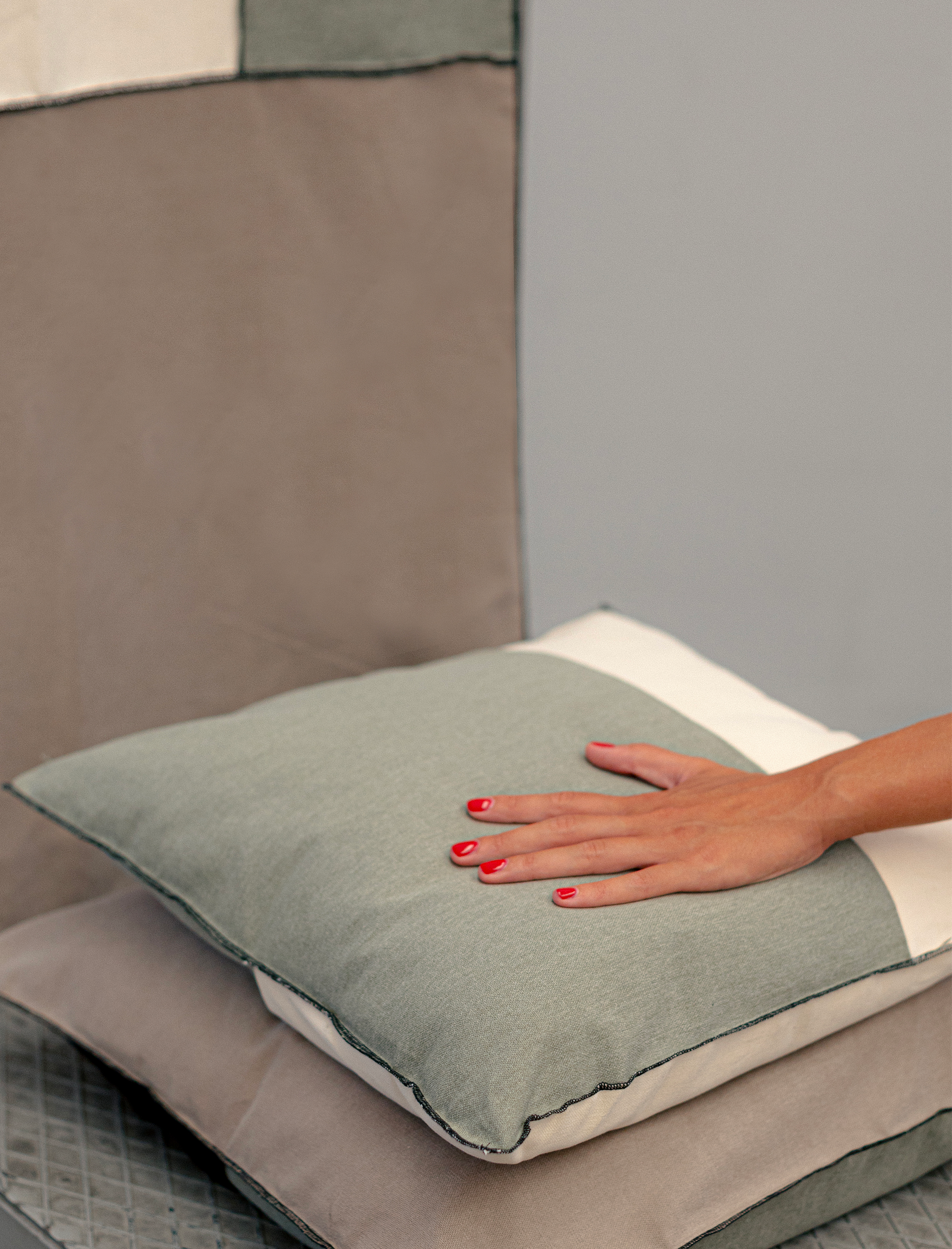
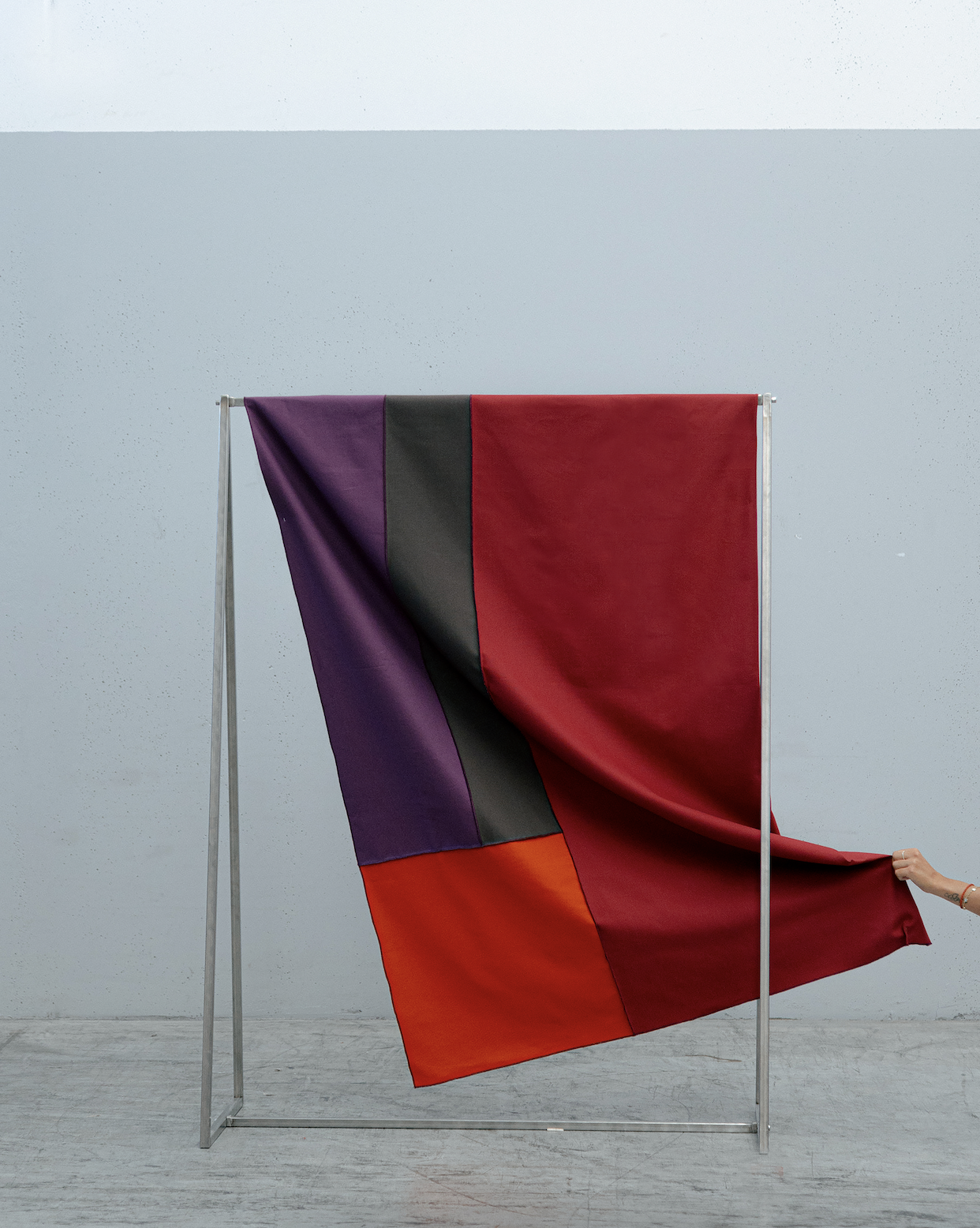
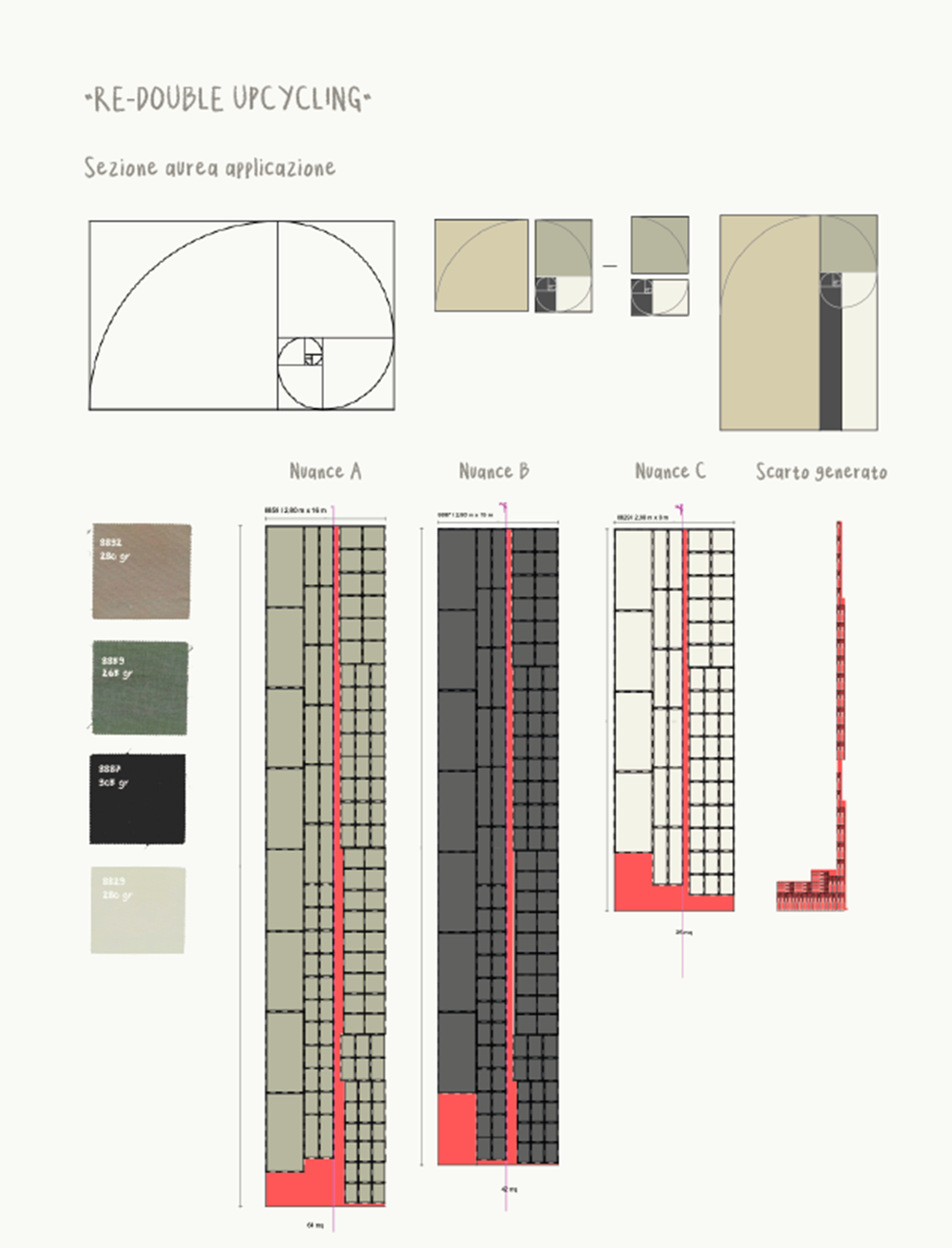
Each product is sized according to the available fabric roll width, and an accurate nesting design divides the material into three main rectangles, minimising waste. The long handles are also cut from the same subdivision, with a height equal to the bag’s length, creating a modular design that allows multiple ways of use. The modular structure enables the combination of different colours and patterns, playing with front and back sides, producing compositions that are always unique. The zero-waste approach maximises the aesthetic and material qualities of the fabrics, transforming leftover materials into functional and contemporary objects.