LEARNING WORKSHOP : Pastry to tailoring
LEARNING WORKSHOP
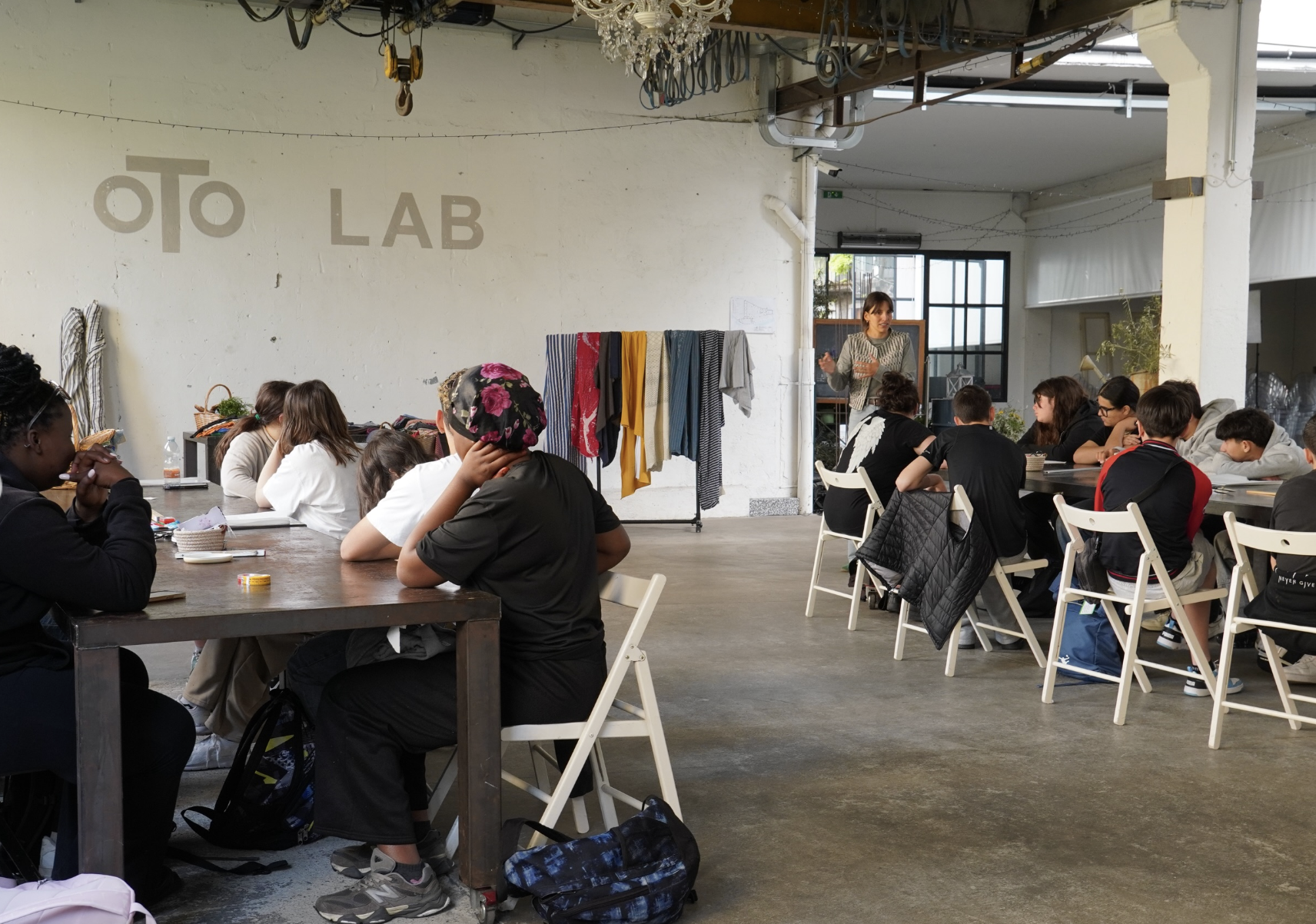
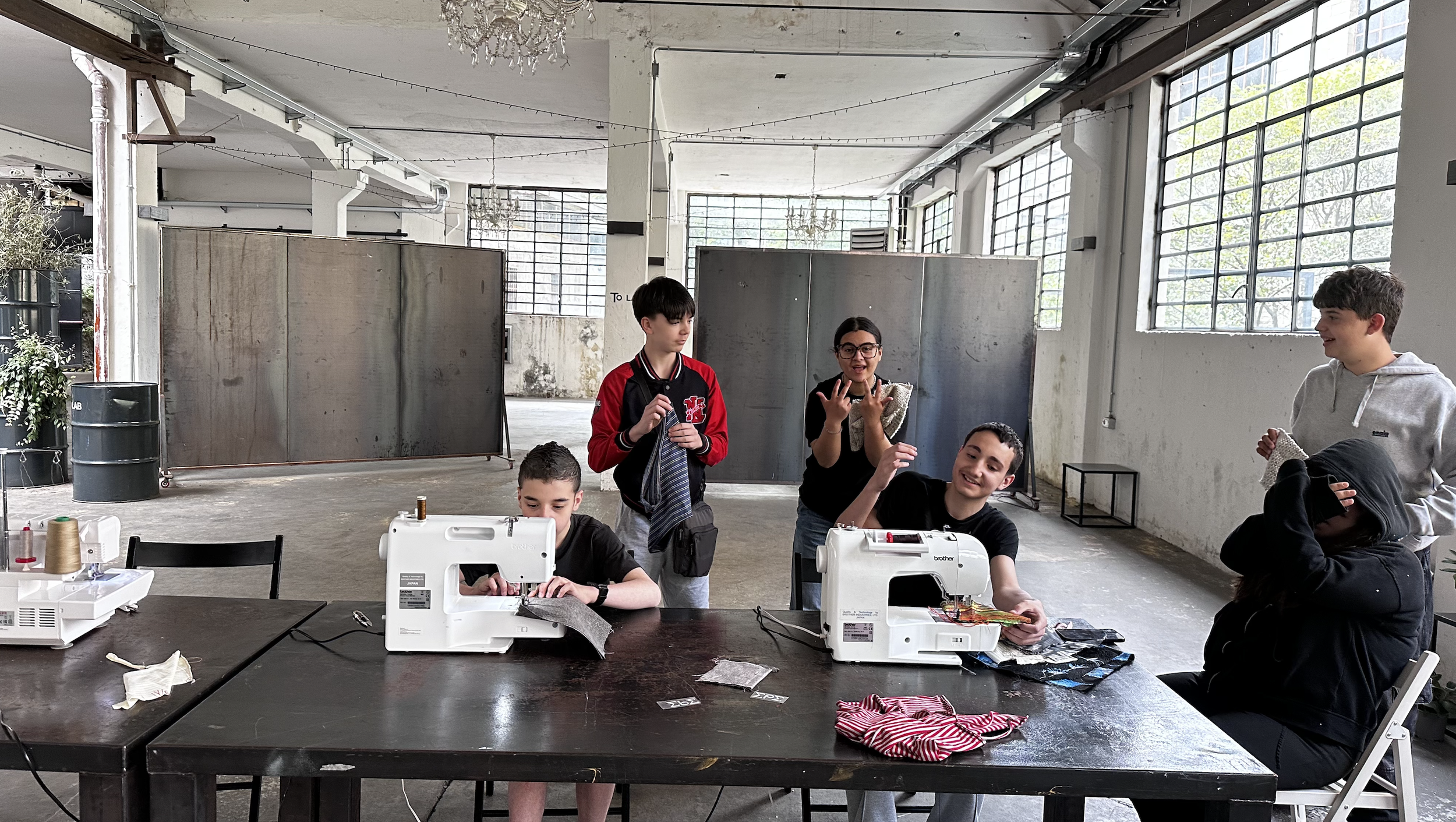
The textile workshop involved students from ENAIP, a vocational school specialising in pastry and baking, in a hands-on learning experience dedicated to textile circularity, creative reuse and craftsmanship. The workshop created an unexpected connection between two seemingly distant disciplines: the art of pastry-making and the world of textiles and tailoring.
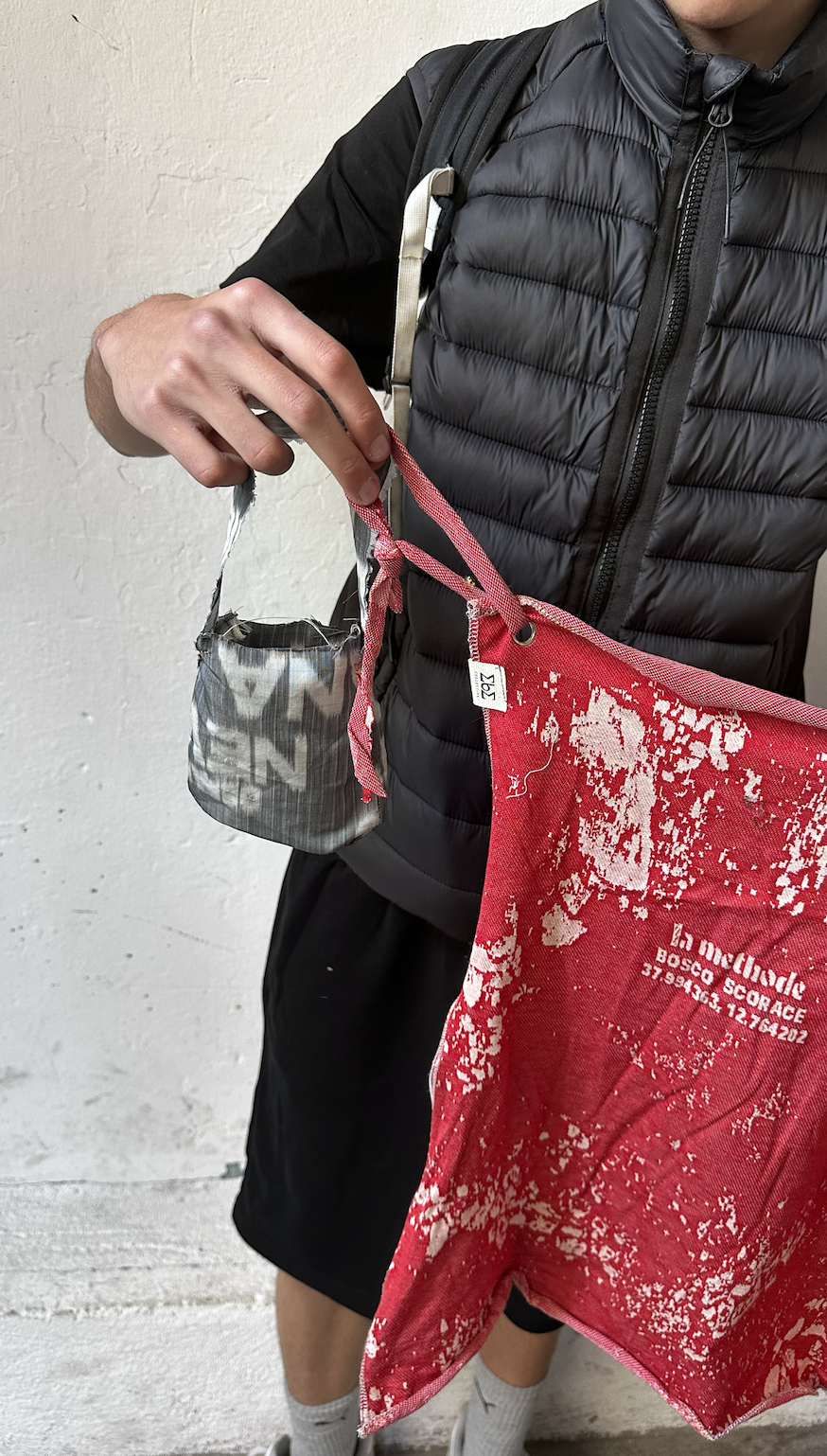
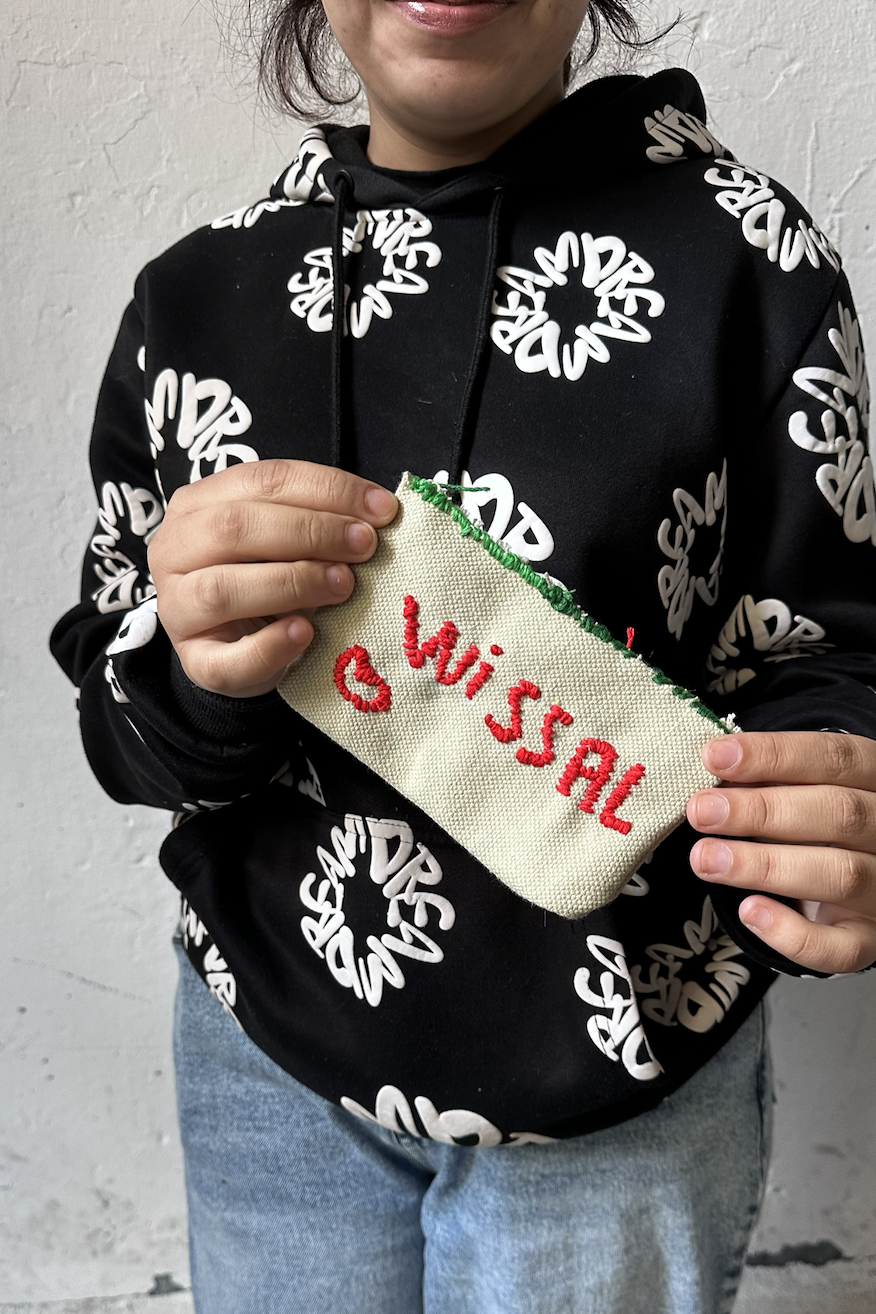
Although the students' educational background was entirely focused on the culinary field, they were invited to step outside their usual learning environment and explore a new form of manual creativity. Instead of working with flour, dough and traditional pastry tools, participants experimented with discarded fabrics, threads and sewing techniques, discovering how materials originally intended for the textile industry could be transformed into new creative outcomes.
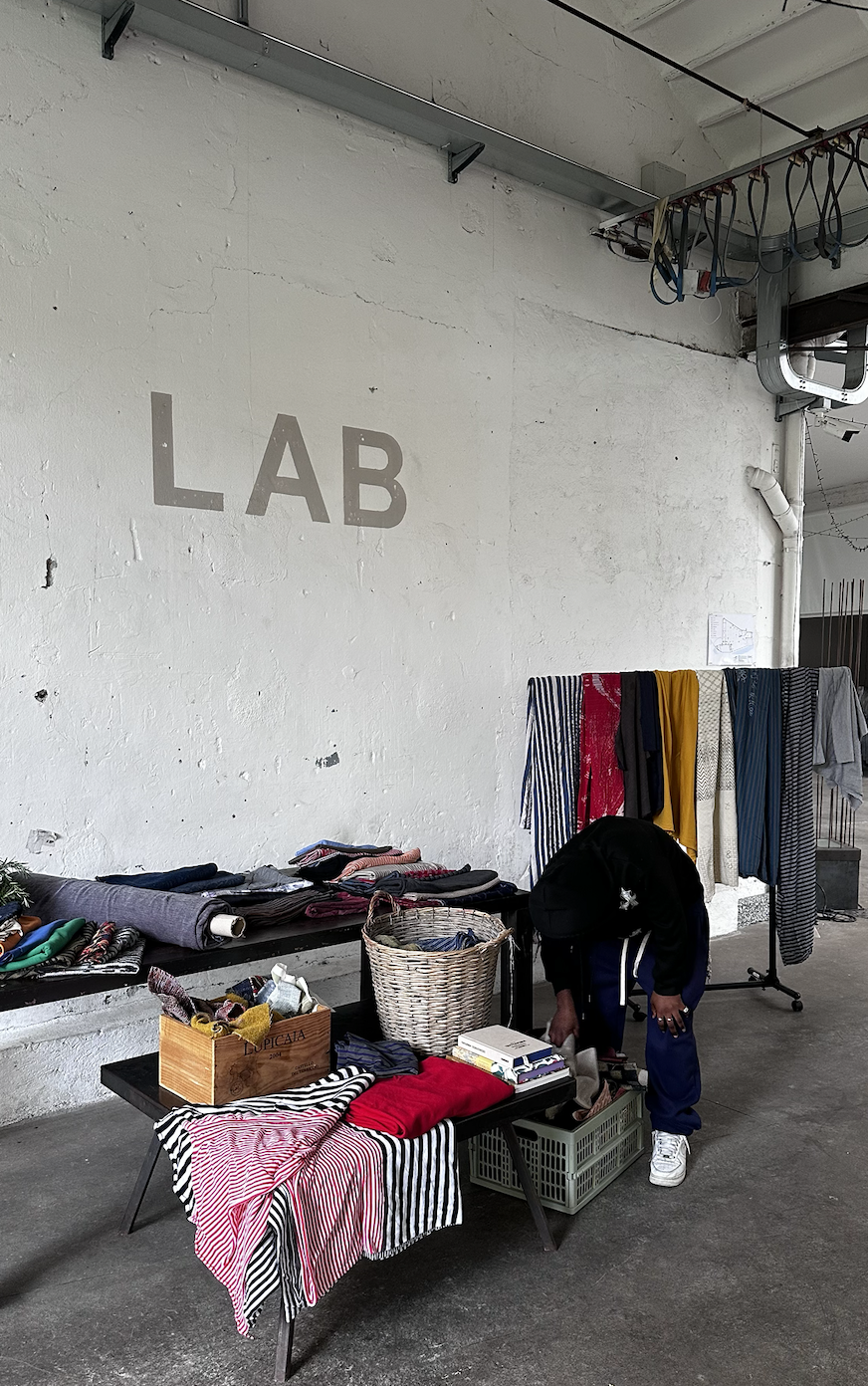
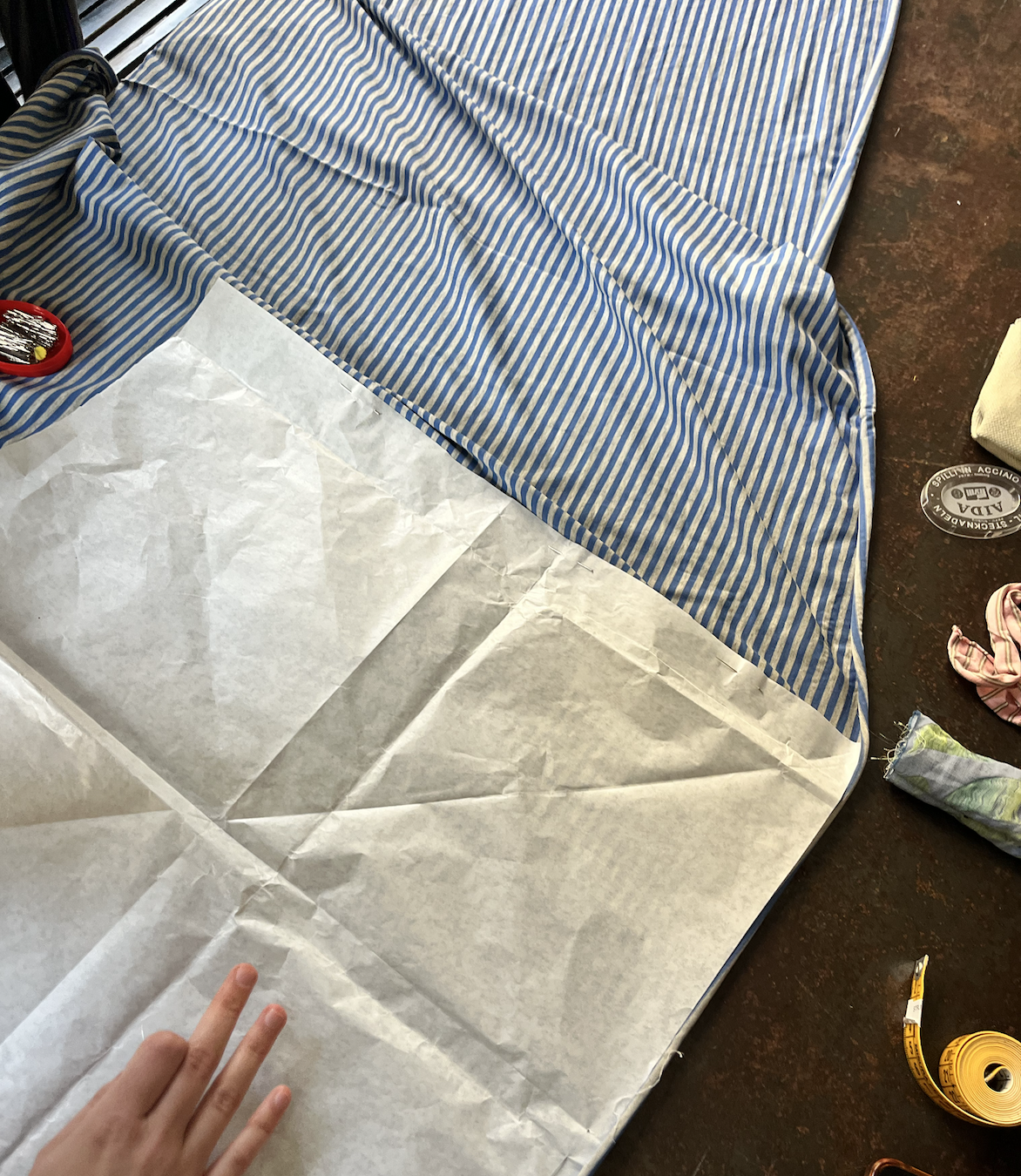
The experience began with a short theoretical introduction to textile waste, overproduction and the principles of circular design, followed by a practical micro-laboratory using exclusively reclaimed materials sourced from the textile industry.
Through simple and accessible techniques, students were encouraged to approach fabrics with the same curiosity, precision and attention to detail that characterise their work in pastry-making. Cutting, assembling, combining textures and experimenting with shapes became common elements connecting the two disciplines, highlighting how craftsmanship and creativity can transcend traditional professional boundaries.
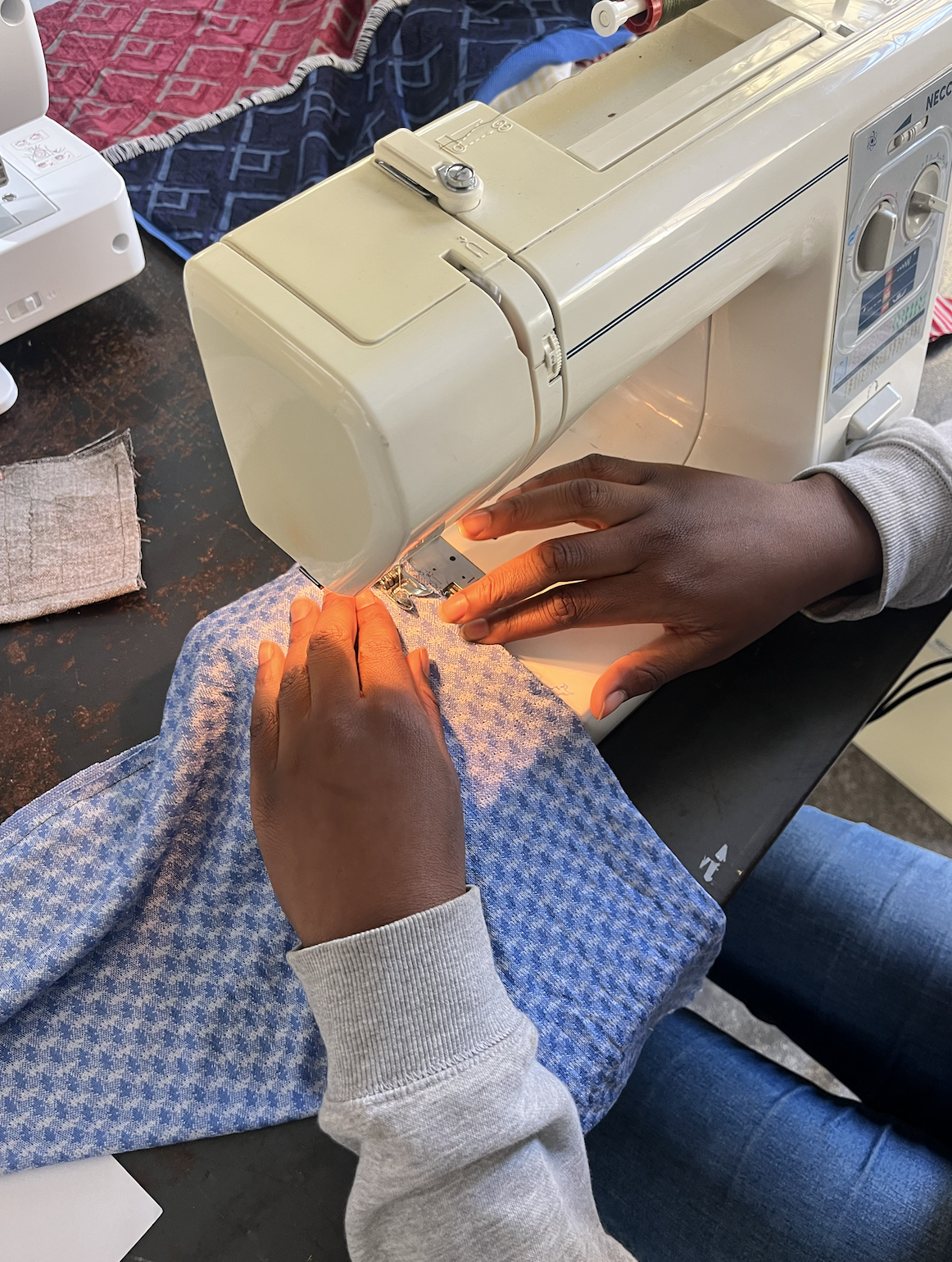
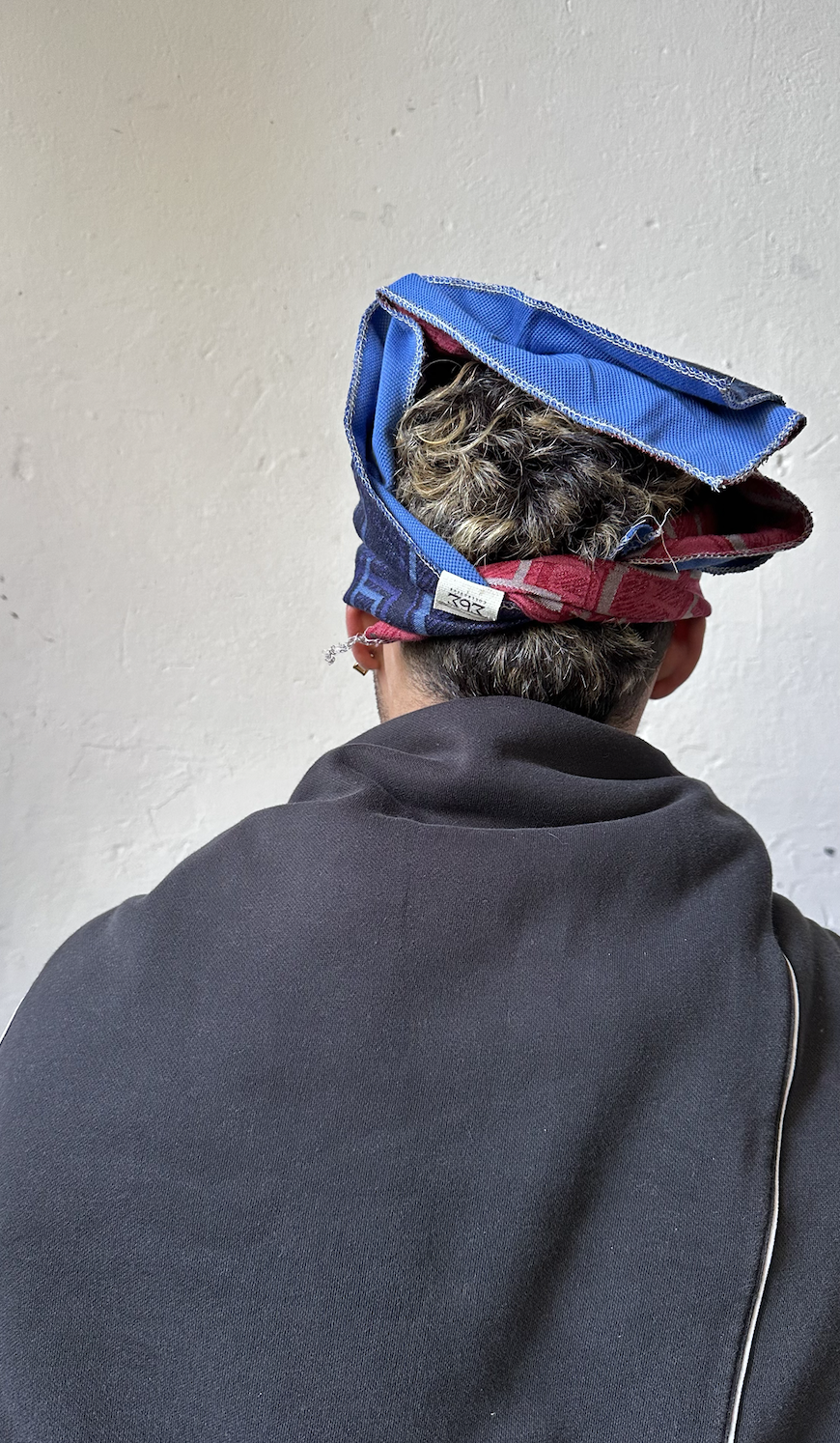
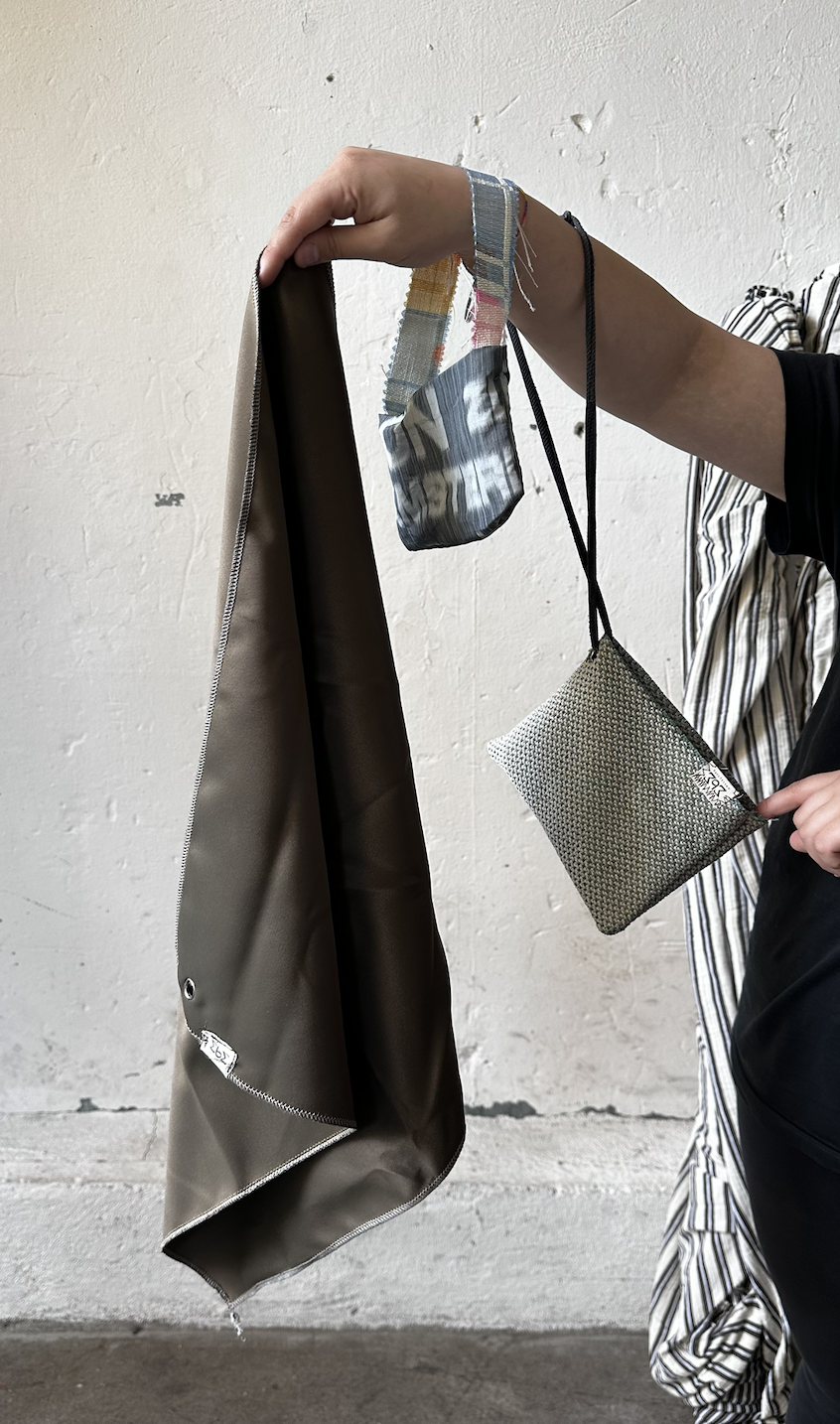
Beyond introducing basic sewing skills, the workshop aimed to demonstrate that creativity and sustainability are not limited to a specific industry. By engaging pastry students in textile practices, the activity encouraged interdisciplinary thinking, adaptability and a fresh perspective on the potential of discarded materials.
Ultimately, From Pastry to Tailoring offered students an opportunity to discover an unfamiliar craft, develop new manual skills and experience first-hand how waste can become a valuable resource through creativity, experimentation and circular thinking.